What is Type 2 Diabetes Mellitus?
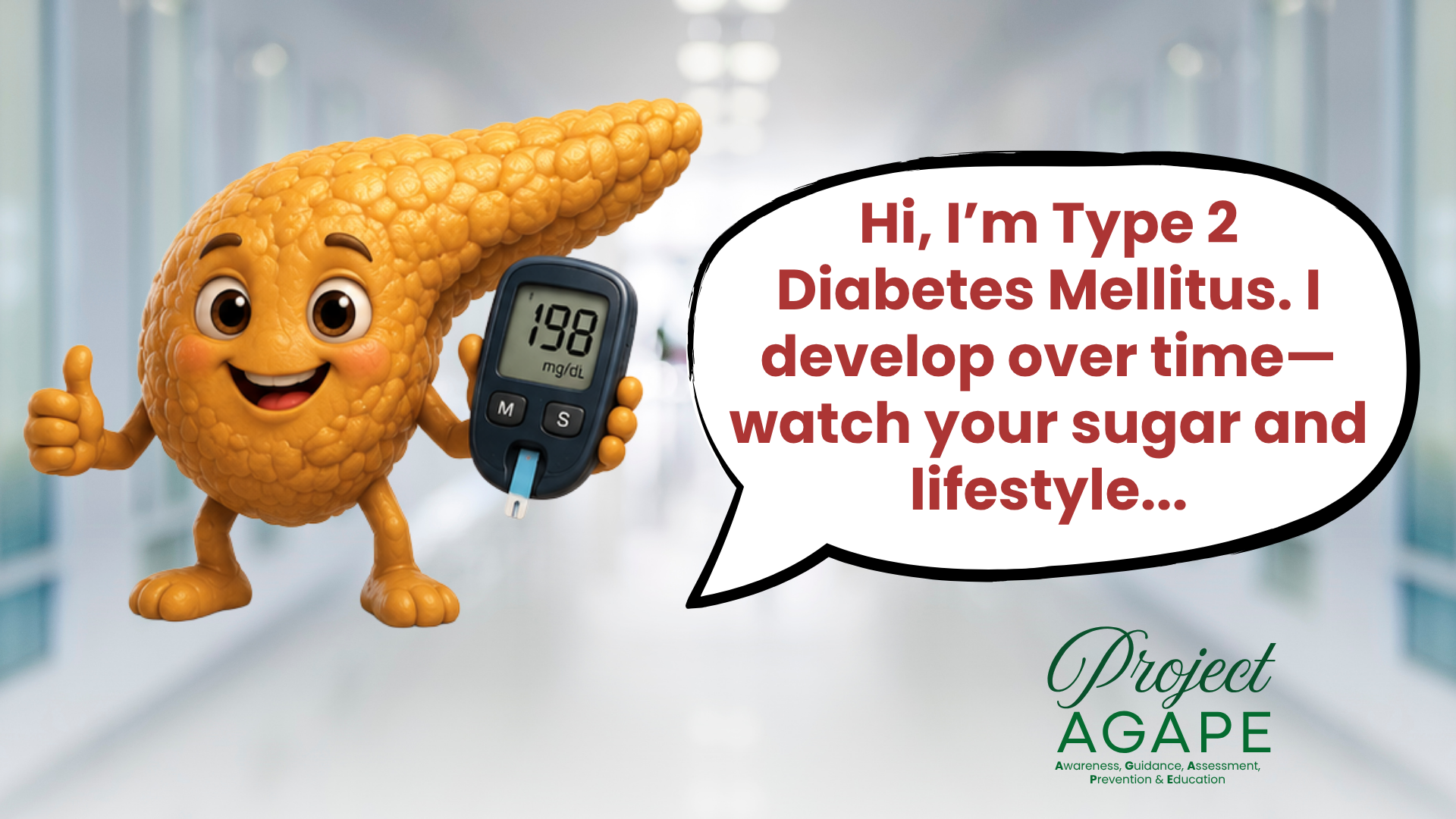
Type 2 Diabetes Mellitus is a chronic medical condition where the body either does not produce enough insulin or becomes resistant to insulin. This leads to elevated blood sugar levels, which over time can damage the heart, kidneys, eyes, nerves, and blood vessels.
It often develops slowly and may have no noticeable symptoms in the early stages. This is why many people may already have diabetes without knowing it.
Risk Factors
You may have a higher risk of developing diabetes if you have one or more of the following:
Family history of diabetes (first-degree relative)
Overweight or obesity
Physical inactivity or sedentary lifestyle
Unhealthy eating habits (high intake of sugar, refined carbohydrates, and processed foods)
Age 35 years old and above
High blood pressure (≥130/80 mmHg or on treatment)
Low HDL below 35 mg/dl and high triglyceride above 250 mg/dl
History of gestational diabetes (for women)
Polycystic ovary syndrome (PCOS)
Conditions associated with insulin resistance, such as severe obesity
Common Symptoms
Frequent urination
Excessive thirst
Increased hunger
Unexplained weight loss
Fatigue or weakness
Blurred vision
Slow-healing wounds
Frequent infections (skin, urinary tract, gums)
Numbness or tingling in hands or feet
Screening (Early Detection)
Diabetes can be detected through simple blood tests:
Fasting Blood Sugar (FBS) – measures blood glucose after 8 hours of fasting
Random Blood Sugar (RBS) – checks blood glucose at any time of the day
HbA1c (Glycated Hemoglobin) – shows average blood sugar levels for the past 3 months
Oral Glucose Tolerance Test (OGTT) – measures blood sugar response after drinking a glucose solution
These tests help identify diabetes or prediabetes early, even before symptoms appear.
Diagnosis
Type 2 Diabetes is diagnosed using blood tests that measure blood sugar levels. A diagnosis is made if any of the following is present:
HbA1c ≥ 6.5% (average blood sugar over the past 3 months)
Fasting Blood Sugar ≥ 126 mg/dL (after at least 8 hours of fasting)
2-hour blood sugar ≥ 200 mg/dL after a glucose drink (OGTT)
Random blood sugar ≥ 200 mg/dL with symptoms of high blood sugar
If there are no clear symptoms, your doctor may confirm the diagnosis by repeating the test or using another blood sugar test.
Treatment Options
Management of Type 2 Diabetes depends on blood sugar levels and overall health condition and may include lifestyle changes, medications, and monitoring.
Lifestyle modification – healthy diet and regular exercise guided by a nutritionist-dietitian
Oral medications – help improve insulin sensitivity or reduce sugar production
Insulin therapy – for patients who need additional blood sugar control
Regular blood sugar monitoring
Management of complications affecting the heart, kidneys, eyes, and nerves
Weight Management Program (CALM – Center for Active Living & Metabolism)
Programs offered:
Essential Weight Management Package
Conservative Weight Loss Package
Intensive Weight Loss Package
How to Lower Your Risk
Maintain a healthy weight
Eat a balanced diet (limit sugar and refined carbohydrates)
Exercise regularly
Avoid smoking
Limit alcohol intake
Manage stress
Have regular blood sugar screening
Available Services at CMC
Executive Check-up: Diabetes Care Package
Endocrinology / Diabetology Consultation
Laboratory Services (FBS, HbA1c, Lipid Profile)
Nutrition Counseling / Diet Planning Support
Chronic disease management programs
Diabetes Education
Why Early Detection Matters
Early detection and proper management of Type 2 Diabetes can help prevent serious complications such as heart disease, kidney failure, stroke, vision loss, and nerve damage.
For More Information
Calamba Medical Center
(049) 545-1740 | (02) 539-5390
0920-965-6060 | 0920-974-4994
Disclaimer
This content is for educational and awareness purposes only and is not intended to replace professional medical advice, diagnosis, or treatment. Please consult a licensed physician for proper evaluation.