What is Hypertension?
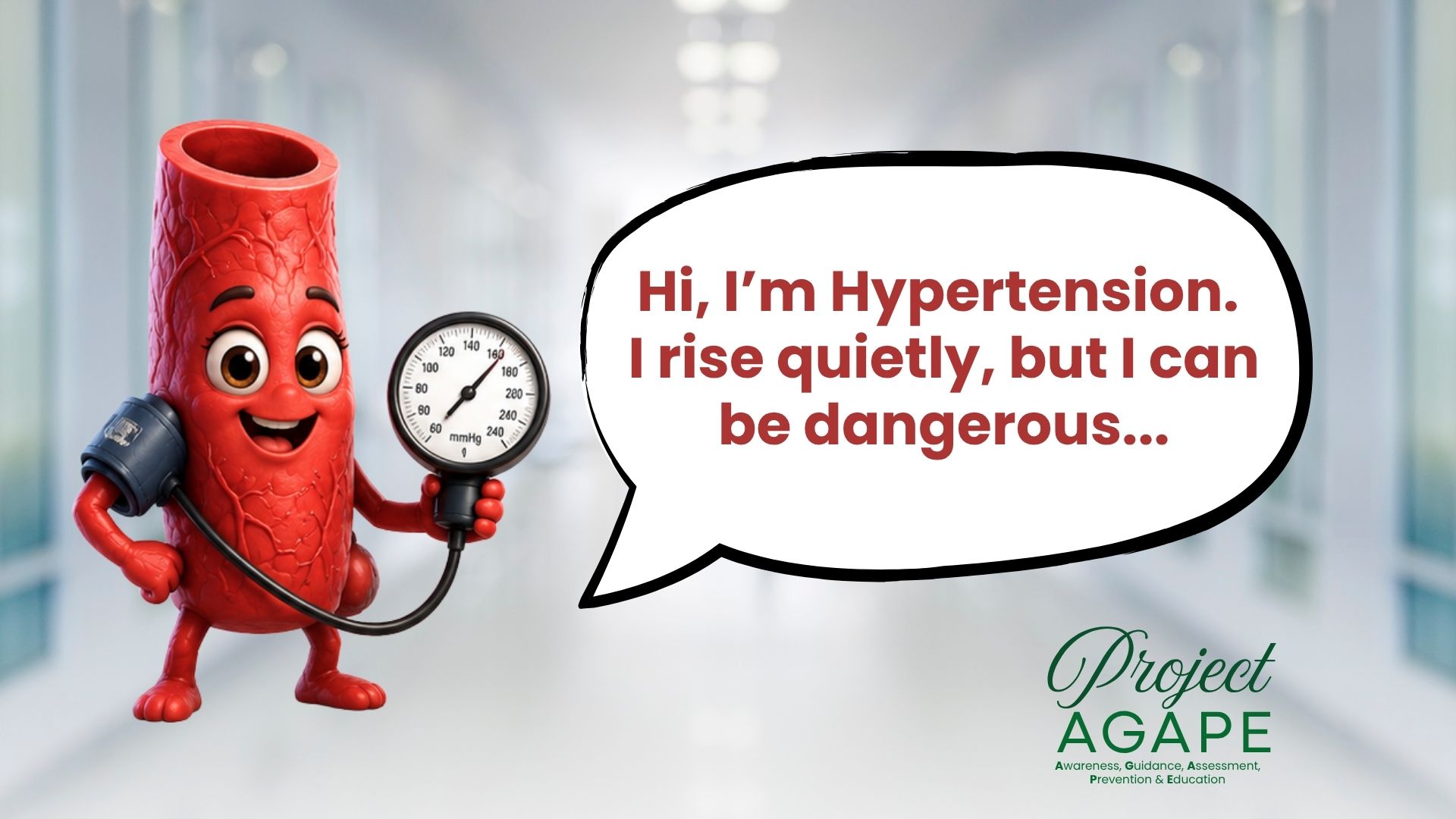
Hypertension, or high blood pressure, is a medical condition where the force of blood against the artery walls is consistently too high. Over time, this can damage the heart, blood vessels, kidneys, and other organs, increasing the risk of heart disease, stroke, and other complications.
Signs & Symptoms to Watch Out For
Hypertension is often called a “silent disease” because it is often asymptomatic or may not show noticeable symptoms, especially in the early stages. Many people only discover they have high blood pressure during a routine blood pressure screening or medical check-up.
However, in some cases, the following symptoms may occur:
• Headache (especially in the morning)
• Dizziness or lightheadedness
• Blurred vision
• Chest pain
• Shortness of breath
• Nosebleeds (in severe cases)
• Fatigue or confusion
If left uncontrolled, hypertension may lead to serious complications such as:
• Heart attack or heart failure
• Stroke
• Kidney disease or kidney failure
• Vision problems or blindness
• Damage to blood vessels and other organs
Regular blood pressure screening and monitoring are important for early detection since hypertension may not show noticeable symptoms until complications develop.
Risk Factors
According to global health guidelines, you may have a higher risk if you have:
- Family history of hypertension
- Age 40 years old and above
- Unhealthy diet (high salt, fat, or processed foods)
- Physical inactivity
- Overweight or obesity
- Smoking
- Excessive alcohol intake
- Chronic stress
Who Should Get Checked for Hypertension?
Blood pressure screening is recommended based on age and risk status. Regular monitoring is important even if you feel well, since hypertension can develop without noticeable symptoms.
• Adults aged 18 years and above — should have blood pressure measured (screened) at least every 1–2 years if previously normal
• Adults aged 40 years and above — should have more frequent blood pressure monitoring, at least annually or as advised by a physician
• Individuals with diabetes, high cholesterol, or heart disease — require regular monitoring as recommended by a physician
• Smokers and heavy alcohol drinkers — should undergo regular blood pressure screening during health visits
• Overweight or sedentary individuals — recommended periodic blood pressure checks
• Individuals with a family history of hypertension — advised regular monitoring for early detection
Screening (Early Detection)
Hypertension can be detected through routine screening and blood pressure monitoring. Accurate blood pressure measurement is essential for early diagnosis and management.
Blood Pressure Monitoring
• Clinic/Office Blood Pressure (BP) – BP measured in a healthcare facility by a healthcare professional
• Home Blood Pressure Monitoring (HBPM) – BP measured at home using a validated BP device
• Ambulatory Blood Pressure Monitoring (ABPM) – 24-hour automated BP monitoring for more accurate assessment
Other Screening Tests
• Laboratory tests – blood sugar, cholesterol, kidney function tests
• ECG (Electrocardiogram) – to assess heart condition if needed
Diagnosis
Hypertension is diagnosed based on consistently elevated blood pressure readings taken on separate occasions by a healthcare professional.
Treatment Options
Treatment depends on severity and individual risk:
- Lifestyle changes – diet, exercise, weight management
- Medications – antihypertensive drugs prescribed by a physician
- Regular monitoring – blood pressure tracking at home or clinic
- Management of underlying conditions – diabetes, cholesterol, kidney disease
How to Lower Your Risk
- Reduce salt intake
- Eat a balanced, heart-healthy diet
- Exercise regularly
- Maintain healthy weight
- Avoid smoking
- Limit alcohol consumption
- Manage stress effectively
Available Services at CMC
- Executive Check-up: Hypertension Package
- Ambulatory Blood Pressure Monitor
- Cardiology Consultation
-
Laboratory tests (Lipid Profile, FBS, Kidney function tests)- routine laboratory tests performed alongside the diagnosis and to check for the underlying causes of hypertension.
- ECG Services
Why Early Detection Matters
Early detection and proper management of hypertension can significantly reduce the risk of heart attack, stroke, kidney disease, and other life-threatening complications.
For More Information
Calamba Medical Center
📞 (049) 545-1740 | (02) 539-5390
📱 0920-965-6060 | 0920-974-4994
Disclaimer
This content is for educational and awareness purposes only and is not intended to replace professional medical advice, diagnosis, or treatment. Please consult a licensed physician for proper evaluation.