What is Coronary Artery Disease (CAD)?
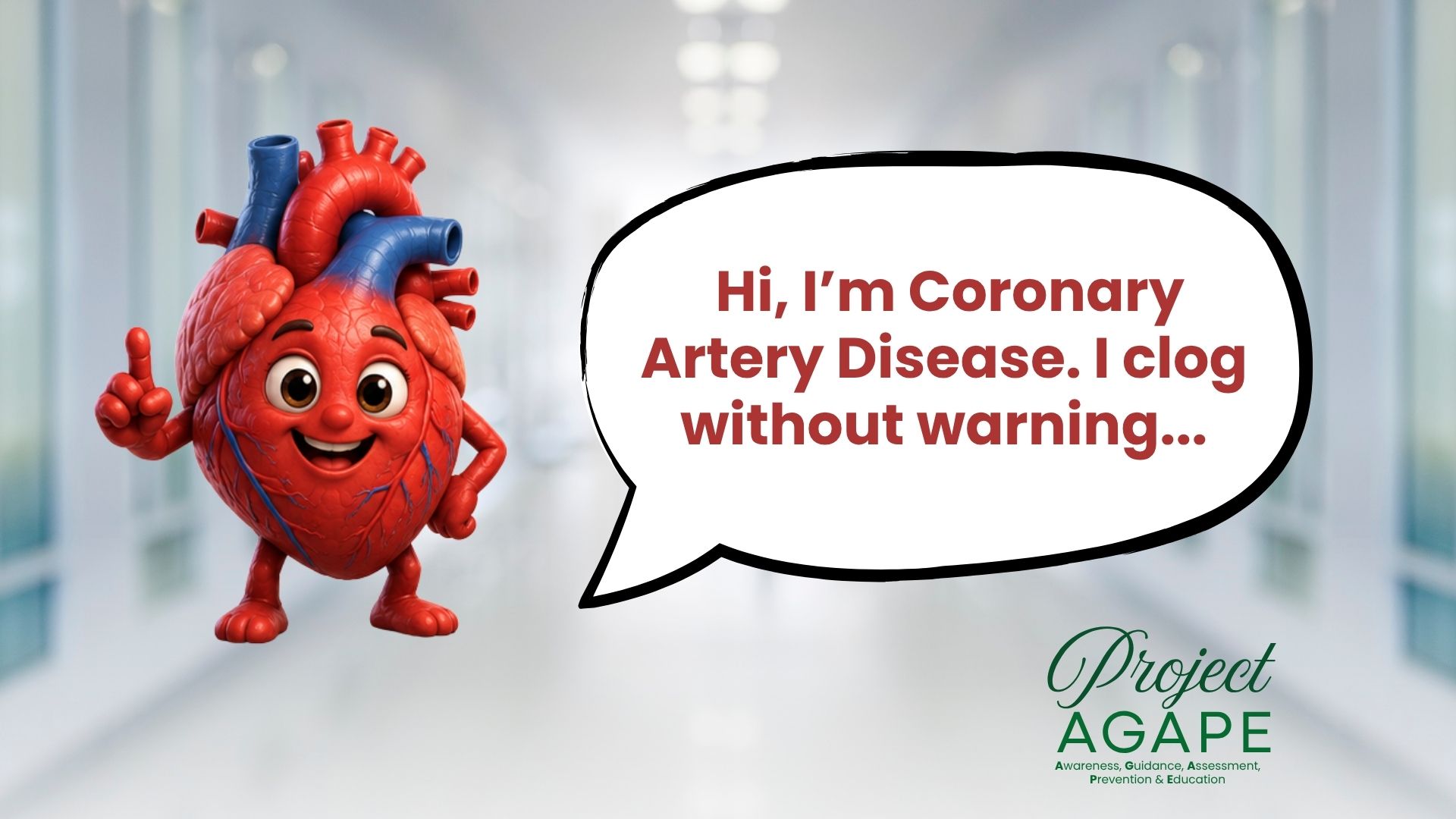
Coronary Artery Disease is a condition where the blood vessels supplying the heart (coronary arteries) become narrowed or blocked due to the buildup of fatty deposits called plaque. This reduces blood flow and oxygen to the heart, which may lead to chest pain (angina), heart attack, or other serious complications.
Signs & Symptoms to Watch Out For
Common symptoms of CAD may include:
- Chest pain or pressure (angina), especially during activity or stress
- Shortness of breath
- Pain spreading to the arm, neck, jaw, shoulder, or back
- Unusual fatigue
- Dizziness or lightheadedness
- Cold sweats, nausea, or indigestion-like discomfort
Risk Factors
Risk factors commonly identified in global clinical guidelines include:
- High blood pressure (hypertension)
- High cholesterol levels
- Diabetes mellitus
- Smoking
- Overweight or obesity
- Physical inactivity
- Unhealthy diet
- Family history of heart disease
- Increasing age
Who Should Get Checked?
- Adults presenting with the above symptoms
- Individuals with hypertension, diabetes, or high cholesterol
- Smokers or former smokers
- Those with a family history of heart disease
- Individuals experiencing chest pain or related symptoms
- Anyone recommended for preventive heart screening
Screening for Early Detection
Common and medically accepted diagnostic tests include:
- Electrocardiogram (ECG/EKG) – measures heart’s electrical activity
- 2D Echocardiogram – evaluates heart structure and function
- Stress Test (Treadmill Test) – assesses heart response to physical activity
- Laboratory tests (Lipid Profile, FBS, HgbA1c, Homocysteine) – standard screenings measure cholesterol levels, blood sugar, and inflammatory markers to assess the overall risk of cardiovascular.
- Cardiology Consultation – evaluation by a heart specialist
Diagnosis
Invasive
Coronary Angiogram (Coronary Angiography) – an invasive imaging procedure used to visualize the coronary arteries and detect blockages or narrowing.
Non-Invasive
• Dobutamine Stress Echocardiography (DSE) – a non-invasive test that helps identify patients who may be at risk for coronary artery disease.
• Stress Echocardiography (SE) – a non-invasive procedure used to assess heart function and detect possible ischemia or coronary artery disease.
Treatment Options
Treatment depends on severity and clinical assessment:
- Medications – to control blood pressure, cholesterol, and prevent clot formation
- Lifestyle modification – healthy diet, exercise, smoking cessation
- Angioplasty with stent placement – opens narrowed or blocked arteries
- Coronary Artery Bypass Grafting (CABG) – surgical procedure to restore blood flow to the heart
How to Reduce Your Risk
- Maintain a heart-healthy diet
- Engage in regular physical activity
- Avoid smoking and limit alcohol intake
- Maintain healthy weight
- Manage stress
- Regular monitoring of blood pressure, sugar, and cholesterol
- Undergo routine health screening
Available Services at CMC
- Executive Check-Up: Cardiac Care Package
- Cardiology Consultation
- ECG – Electrocardiogram
- 2D Echo
- Stress Test
- Dobutamine Stress Echocardiography
- Stress Echocardiography
- ECG, 2D Echo, and Stress Test
- Laboratory Services (including lipid profile testing)
- Cathlab services and cardiac procedure coordination
Why Early Detection Matters
Early detection and management of Coronary Artery Disease can significantly reduce the risk of heart attack and improve long-term survival outcomes, based on established global cardiovascular guidelines.
For More Information
Calamba Medical Center
(049) 545-1740 | (02) 539-5390
0920-965-6060 | 0920-974-4994
Disclaimer
This content is for educational and awareness purposes only and is not intended to replace professional medical advice, diagnosis, or treatment. Please consult a licensed physician for proper evaluation.