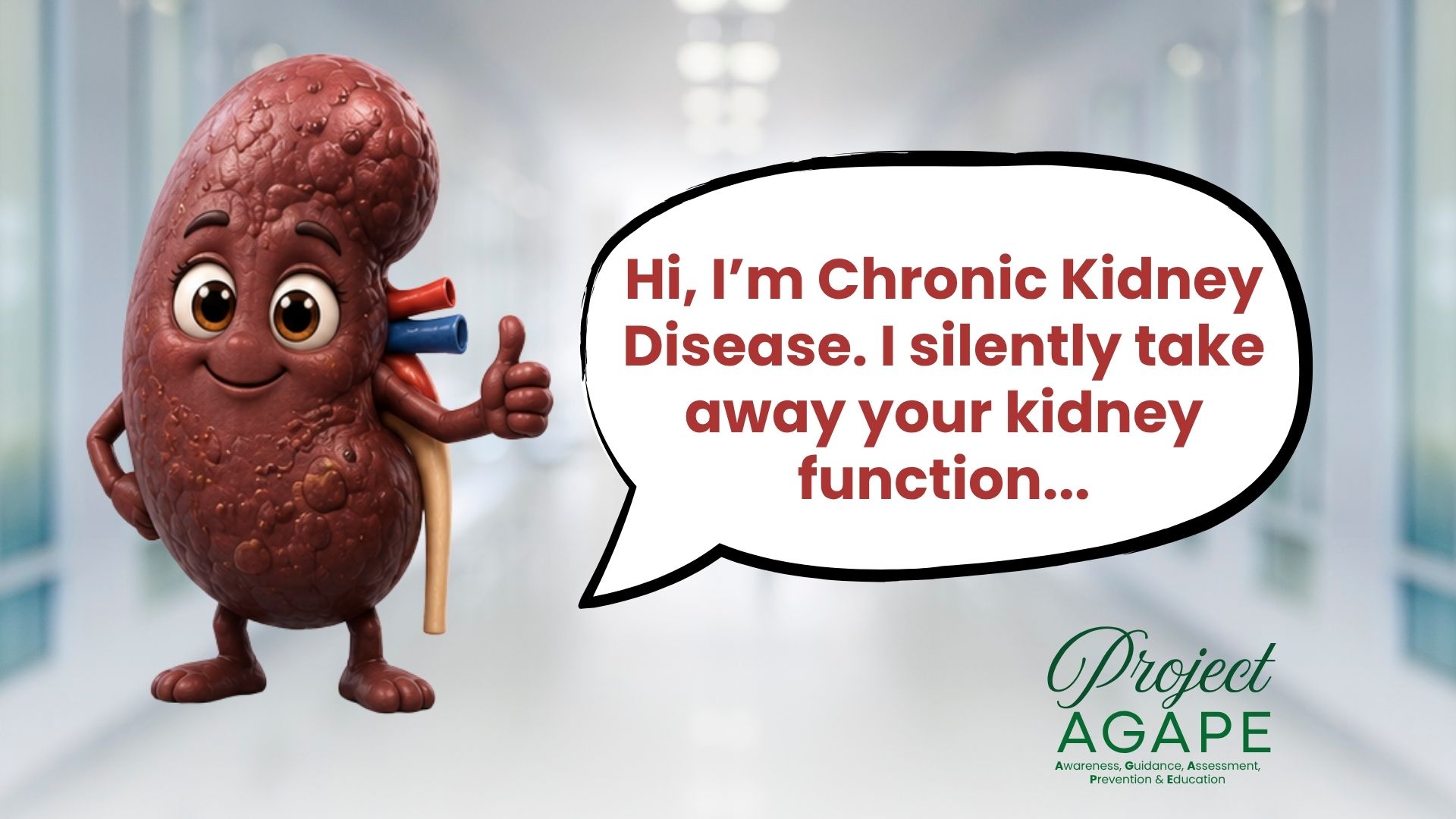
What is Chronic Kidney Disease (CKD)?
Chronic Kidney Disease is a long-term condition where the kidneys gradually lose their ability to filter waste, toxins, and excess fluids from the blood. When kidney function declines, waste can build up in the body and may lead to serious health complications.
Signs & Symptoms to Watch Out For
CKD may develop slowly and often shows no symptoms in early stages. As it progresses, possible signs include:
- Fatigue or weakness
- Swelling in the feet, ankles, or face (edema)
- Changes in urination (frequency, color, or amount)
- Foamy or bubbly urine
- Loss of appetite
- Nausea or vomiting
- Muscle cramps
- Itchy skin
- Shortness of breath (in advanced cases)
Risk Factors
You may have a higher risk of CKD if you have:
- Diabetes mellitus (most common cause globally)
- High blood pressure (hypertension)
- Family history of kidney disease
- Heart disease
- Obesity
- Smoking
- Older age (40 years old and above)
- Long-term use of certain medications without medical supervision
Who Should Get Checked?
- Individuals with diabetes or hypertension
- Adults aged 40 years old and above
- Those with family history of kidney disease
- People with persistent swelling or urinary changes
- Patients with heart disease or high cholesterol
- Anyone advised by a physician for kidney screening
Screening (Early Detection)
Early detection helps slow progression of kidney disease. Common tests include:
- Serum Creatinine Test – measures the amount of creatinine in your blood. A high creatinine level indicates that your kidneys are not working well.
- Estimated Glomerular Filtration Rate (eGFR) – measures how well your kidneys remove waste and toxins from your blood.
- Urinalysis – checks for the presence of protein (albumin) or blood in urine.
- Urine Albumin-to-Creatinine Ratio (UACR) – measures the amount of albumin and compares it to the amount of creatinine that helps in early detection of kidney damage
- Blood Pressure Monitoring – important in kidney health assessment
- KUB Ultrasound – To diagnose infections, tumors, cysts, or kidney stones, and to investigate unexplained causes of kidney disease or high blood pressure
Diagnosis
CKD is diagnosed based on laboratory results showing reduced kidney function or evidence of kidney damage for three months or longer, as defined in international clinical guidelines.
Treatment Options
Treatment focuses on slowing disease progression and managing symptoms:
- Control of blood sugar (for diabetic patients)
- Control of blood pressure
- Kidney-protective medications prescribed by physicians
- Dietary management (low salt, controlled protein intake if advised)
- Treatment of complications (anemia, mineral imbalance)
- Dialysis in advanced stages
- Kidney transplant in end-stage kidney disease
How to Lower Your Risk
- Manage blood sugar and blood pressure
- Maintain a healthy diet
- Stay hydrated (as advised by your doctor)
- Avoid smoking
- Exercise regularly
- Avoid self-medication and long-term NSAID use without prescription
- Have regular kidney function tests if at risk
Available Services at CMC
- Executive Check-Up: Basic Kidney Package
- Nephrology Consultation
- Laboratory Services (Creatinine, eGFR, Urinalysis, ACR)
- Ultrasound Services
- Chronic disease management coordination (diabetes & hypertension care)
Why Early Detection Matters
Early detection of Chronic Kidney Disease can slow progression, prevent complications, and reduce the risk of kidney failure. Regular screening is essential, especially for high-risk individuals.
For More Information
Calamba Medical Center
📞 (049) 545-1740 | (02) 539-5390
📱 0920-965-6060 | 0920-974-4994
Disclaimer
This content is for educational and awareness purposes only and is not intended to replace professional medical advice, diagnosis, or treatment. Please consult a licensed physician for proper evaluation.